

Donald Trump’s Second Term: How His 2025–2026 Presidency Is Reshaping the United States
Table of Contents
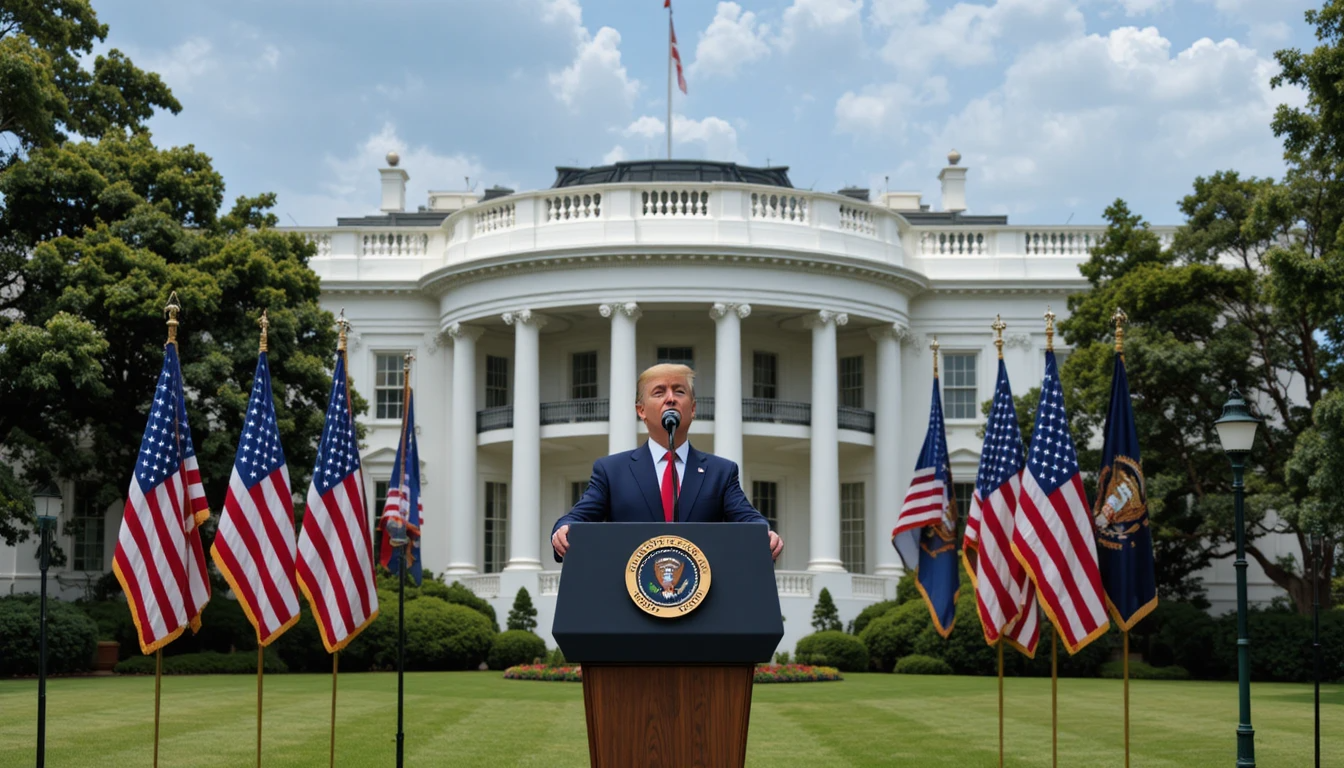
US president Donald Trump returned to the White House in January 2025, beginning his second term in office after a highly polarizing election and a closely watched inauguration in Washington, DC.
His comeback instantly reshaped the political mood in the United States, energizing supporters who saw his victory as a correction of the previous administration’s course, while alarming critics who feared deeper pressure on democratic norms, institutions and America’s global image.
For millions of voters, Trump’s second term is not just “more of the same.” It is being framed as a chance to complete what he started in his first presidency, from immigration crackdowns to deregulation and reshaping the federal bureaucracy, with far more experience and loyalists in key positions this time.
From the first Trump presidency to a second chance
Trump’s first term in the White House, from 2017 to 2021, left a lasting mark on US politics and global affairs.
His administration pushed hard on issues like immigration enforcement, border wall construction, trade wars with China, tax cuts and conservative judicial appointments, including three Supreme Court justices.
Even after leaving office, Trump remained the dominant figure inside the Republican Party, using rallies, social media and conservative media platforms to keep his base engaged and frame himself as the strongest opponent of “establishment politics” in both parties.
By the time voters went back to the polls, his message of restoring strength, tightening borders and challenging “deep‑state” bureaucrats resonated strongly with many Republican and independent voters who felt left behind or ignored by Washington.
His second inauguration on 20 January 2025 formally marked the start of a new chapter, but many of the themes are familiar: distrust of traditional institutions, promises to drain the bureaucracy and a push to rewrite parts of the American policy agenda in a more nationalist and conservative direction.
Project 2025: the blueprint behind Trump’s second term
One of the most talked‑about elements of Trump’s 2025–2026 presidency is the influence of Project 2025, a detailed conservative policy roadmap created by allied think tanks and advocacy groups before he returned to office.
This agenda is designed as a blueprint to remake the federal government, reduce the power of career civil servants, and place more authority directly in the hands of the president and his political appointees.
Project 2025 calls for far‑reaching changes across multiple areas of US public policy.
Among its goals are rolling back climate and environmental regulations, tightening US immigration policy, reshaping education and civil rights enforcement, and giving the White House more direct control over agencies that were previously more independent.
Supporters argue that this is necessary to push through the will of voters who twice elected Trump, claiming that unelected bureaucrats, judges and “deep‑state” insiders blocked too many of his plans in the first term.
Critics, however, warn that using Project 2025 as a guide could weaken checks and balances, undermine the separation of powers and make it easier for any future president—not just Trump—to misuse federal agencies for political goals.

Economic policy: tariffs, spending cuts and uncertainty
In his second term, Trump has again made tariffs a central tool of US economic and foreign policy, targeting trade partners such as China, Canada and Mexico with new or higher import taxes.
These measures are promoted by the Trump administration as a way to protect American workers, push companies to bring production back to the United States and reduce dependence on foreign supply chains.
However, business groups and many economists have warned that renewed tariff battles could raise costs for US consumers, disrupt supply chains and create uncertainty for markets already dealing with inflation and global instability.
Industries that rely heavily on imported parts or materials, from manufacturing to retail, are particularly exposed to sudden policy shifts and retaliatory tariffs from other countries.
At the same time, Trump and his allies have pushed for federal spending cuts, civil service reforms and changes to social programs as part of their promise to shrink the size of government.
Supporters see this as a move toward fiscal responsibility and smaller bureaucracy, while opponents worry that reductions could weaken safety‑net programs, public services and long‑term investments in areas like education, infrastructure and health care.
Foreign policy: Davos, Greenland and America’s allies
Trump’s foreign‑policy approach in his second term has continued to challenge long‑standing diplomatic traditions and alliances.
He has repeatedly criticized institutions such as NATO, demanded that allies spend more on defense and signaled a willingness to take a harder line in negotiations over trade, security and energy.
In early 2026, at the World Economic Forum in Davos, Trump drew global attention by saying that a “framework of a future deal” involving Greenland had been discussed, reviving a controversy that first began in his earlier term when he floated the idea of the United States acquiring the Arctic territory from Denmark.
While he backed away from earlier, harsher rhetoric that hinted at using military force, his comments about how “unstoppable” the United States would be in a conflict sparked anger and alarm in Europe and especially in Denmark, which controls Greenland.
These statements have fed ongoing concerns among America’s European allies about the reliability and intentions of US foreign policy under Trump’s leadership.
Supporters in the United States say his stance simply reflects a tougher, more transactional approach that prioritizes American interests, but critics argue that it undermines trust, damages alliances and gives strategic rivals like Russia and China more room to expand their influence.
Institutions, democracy and the balance of power
Beyond specific policies, Trump’s second term raises important questions about the future of US democracy and the balance of power between the branches of government.
His rhetoric against the “deep state,” the mainstream media, parts of the judiciary and political opponents has led to heightened tensions and fears of further political violence or erosion of norms.
The Project 2025 agenda and related proposals suggest a more aggressive use of presidential authority over the federal bureaucracy, which could permanently change how agencies operate and who they are accountable to.
Some legal scholars warn that if these ideas are fully implemented, it could become harder to maintain independent oversight, protect whistleblowers or prevent political interference in law enforcement and regulatory decisions.
At the same time, Trump’s strong influence over the Republican Party and his loyal base means that internal checks from within his own coalition are limited, making Congress and the courts even more important as counterweights.
How these institutions respond over the next few years will help determine whether Trump’s second term becomes a short‑term disruption or a long‑lasting turning point in American governance.
What Trump’s second term means for America’s future
Trump’s 2025–2026 presidency is shaping the United States in ways that go far beyond daily headlines or social‑media debates.
From immigration and climate policy to the structure of the federal bureaucracy and relations with key allies, decisions made in this second term are likely to influence American life and global politics for years to come.
Supporters see this moment as a rare opportunity to reset the country’s direction, strengthen borders, challenge “globalist” institutions and restore what they view as traditional values and national sovereignty.
Opponents fear that the same moves could weaken the rule of law, deepen social divisions, isolate the United States from its closest partners and make future abuses of power more likely, regardless of who holds the presidency.
For citizens, businesses and allies watching from abroad, the central question is whether Trump’s second term will ultimately be remembered as a course correction, a democratic stress test or the beginning of a more permanent shift in how power is used in Washington, DC.
Frequently asked questions about Donald Trump’s second term
When did Donald Trump start his second term as US president?
Donald Trump began his second term on 20 January 2025, when he was inaugurated again as president in Washington, DC.
What is Project 2025 and how is it connected to Trump’s presidency?
Project 2025 is a conservative policy blueprint created by allies that many observers see as a roadmap for Trump’s second‑term agenda, focused on reshaping the federal government and expanding presidential power.
How is Trump’s second term affecting the US economy?
His renewed use of tariffs and calls for spending cuts have pleased many supporters but raised concerns among economists and business groups about higher costs, market uncertainty and pressure on public services.
Why is Greenland part of the foreign‑policy debate in 2026?
At the World Economic Forum in Davos in 2026, Trump said a “framework of a future deal” involving Greenland had been discussed, reviving earlier controversy and drawing criticism from Denmark and European partners.
What are critics most worried about in Trump’s second term?
Critics are especially concerned about efforts to weaken independent institutions, politicize the federal bureaucracy, roll back civil rights protections and strain relations with long‑time US allies.
